Empowering Patients Through Volunteer Fundraising
The Vic is unique among Winnipeg hospitals — it has a number of volunteer-funded programs that directly impact patient care. One of these is the Hygiene/Activity program.
Funded by volunteer fundraising activities and donations, this program provides nearly 20,000 toiletry and “activity” items to hospital patients each year. About three-quarters of these are used by the Mental Health units as well as an increasing number of vulnerable patients seen in Urgent Care.

The Victoria Hospital has the second largest number of adult Mental Health beds in Winnipeg. Many of these patients come into the hospital unexpectedly with no possessions and no outside support.
Ashley Dercach, Recreation Therapist, Adult Mental Health, explains, “The hygiene items — ranging from toothpaste and toothbrushes to body wash, shampoo and deodorant — provide dignity to those people who don’t have the funds or supports to bring in supplies.
Patients are often surprised that we also have such things as denture tabs or hair detangler. Our nurses and health care aides help tremendously when patients come in with matted or tangled hair. All of these things make people feel better about themselves.”
As well as toiletries, the Activity portion of the program enables clinical staff to help decrease patient stress and anxiety.
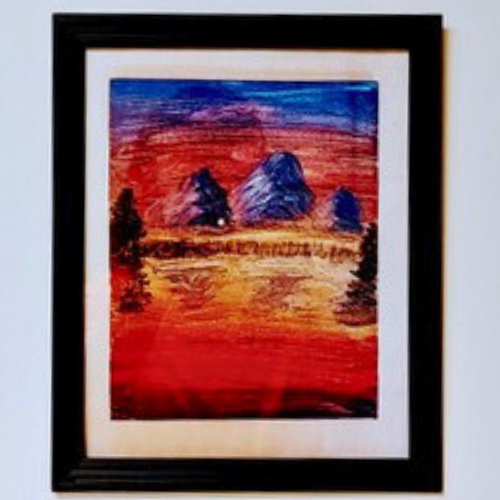
“Some of our most popular items are headphones, journals, stress balls, markers (to colour) and painting supplies, all of which are supplies to teach healthy coping mechanisms. Patients are learning to manage their emotions through listening to music, writing in a journal or making art. We have some amazing artists!
“Some other activity supplies that patients appreciate immensely are yarn (for loom knitting), diamond beading, 3D models, and bigger packs of markers.
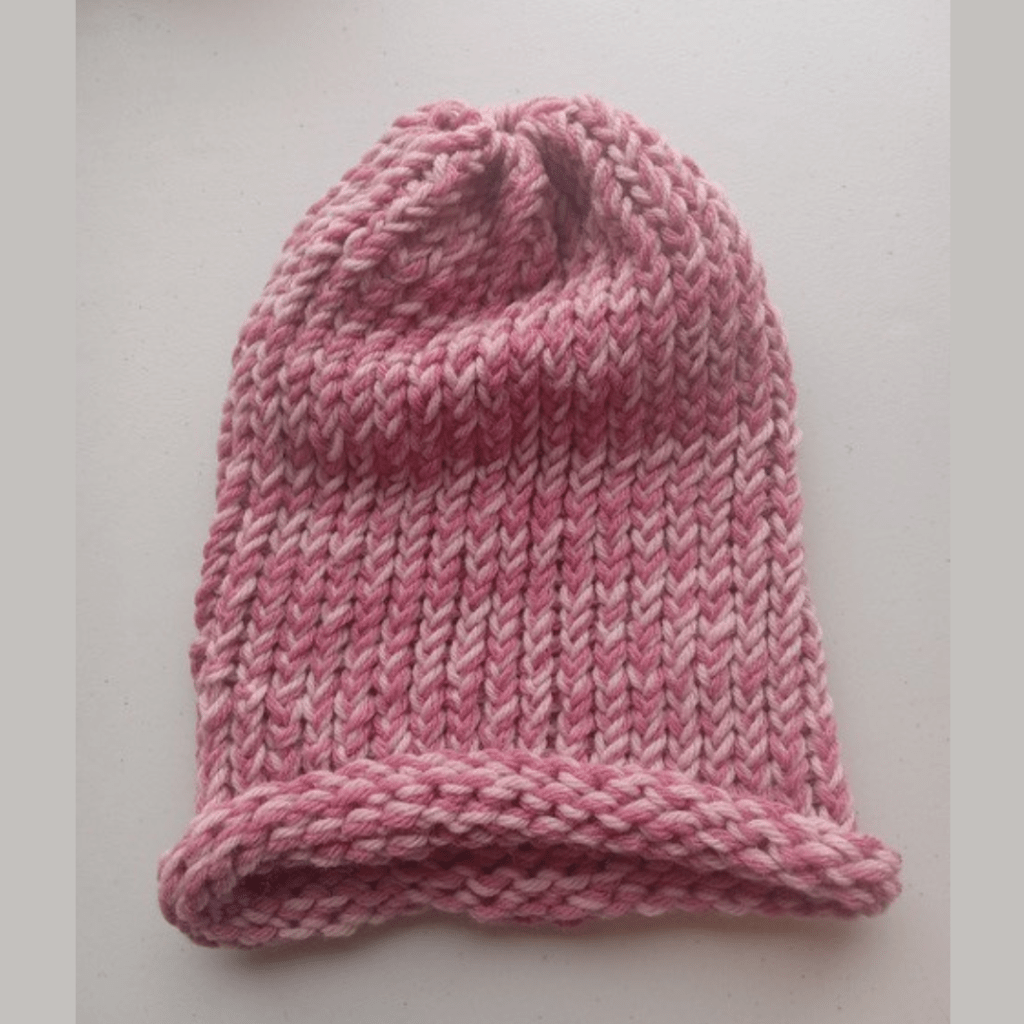
I will teach patients how to loom knit, and they can make a toque. Every time a patient makes a toque, they are gleaming with pride, smiling (possibly one of the first smiles in a long time), and have possibly found a lifelong coping mechanism. When a patient is seen doing a lot of colouring, we may offer them a 24-pack of markers instead of the regular 12; they are so grateful. These may seem like small things but they can make a patient’s day better.”
Some patients, particularly those being discharged to a shelter, or those with limited funds, receive “discharge packs” when they leave, again including toiletries supplied by the program. “Patients are asked if they would like a pack and are overjoyed when receiving the bag,” adds Ashley.
In addition to the Mental Health units, the Hygiene/Activity program is used by the Geriatric Rehabilitation area, and the Medicine units. Staff provide their patients with tools such as playing cards, puzzle books, and art supplies. In addition, prizes and popcorn are available for group activities like bingo and movie nights.
Recently, a woman suffering from dementia passed away in one of the Medicine units in the hospital. While there, she had painted a wooden figurine with supplies provided by the Activity program. Her daughter was touched to receive it as a keepsake because “it was the last thing my mother did.”
In Urgent Care, the hospital sees many patients who are precariously housed or unhoused. Again, some basic toiletries help provide dignity to these vulnerable patients.
Also in Urgent Care, patients seeking medical attention sometimes come in with their young children. A busy medical unit can be a strange and frightening environment for them. Crayons, colouring sheets, stickers and even a teddy bear provide much needed comfort.
Program Evolves Thanks to Dedicated Volunteers
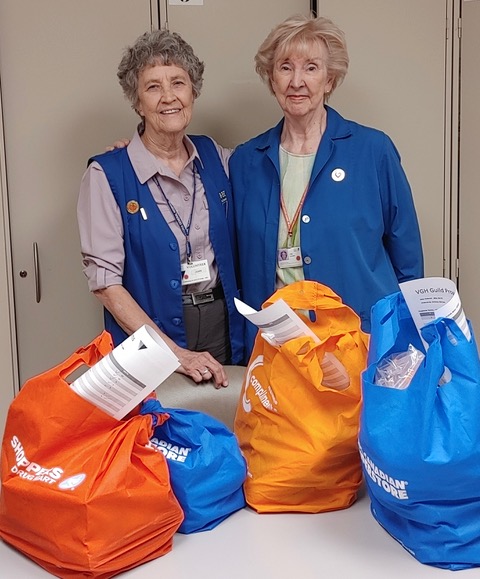
For the past 10 years, two dedicated volunteers, Lynn and Joan, have managed the program. It began in 2015 when Lynn approached the (then) Emergency manager to see if the unit could benefit from the Volunteer Guild providing packages of basic toiletries — these would be given to patients who unexpectedly needed to spend the night in the hospital.
The concept was received with enthusiasm by the ER, and in September of 2015, the Volunteer Guild Board approved the budget for this program for the first time.
Later, packages of colouring sheets and crayons were given out to children in the ER waiting area.
After the success of the program in the ER, word soon spread to floor managers in other units. Within a short time, Lynn and Joan were providing hygiene and activity items to several other units. “As our hospital underwent a change in programs and we saw a huge increase in mental health patients, the need for these hygiene and activity supplies increased dramatically,” they explain.
As the needs have increased, the annual budget for the Hygiene/Activity program has grown accordingly and currently stands at $20,000.
Lynn and Joan spend six hours a week shopping, sorting and filling orders for the various hospital units. On Tuesdays, they come into the hospital to review the order forms received from the various units and determine what needs to be bought. Every dollar of the budget is maximized through their efforts. Shopping is done primarily at dollar discount stores as well as lower-priced department stores. Some items are ordered online when the cost is lower, particularly when making bulk purchases.
On Wednesdays, Lynn and Joan return to the hospital to sort items and package them in reusable tote bags for pick-up by the clinical staff.
What has motivated Joan and Lynn to work on this program for 10 years?
“The feedback and the stories from the hospital staff are so heartwarming and is motivation enough for our Guild to continue this desperately needed service,” say Lynn and Joan.
Lynn adds, “We want everyone to appreciate how important fundraising is and how the money is being put to good use for the benefit of hospital patients.”